Choosing a college is one of the most consequential decisions a student makes. It sets the tone for the next 2–4 years of academic life, shapes the professional network you carry into your career, and — if the institution is thoughtful about it — leaves a mark on who you become as a person. Banaras Institute of Teacher's Education (BITE) has approached that responsibility with seriousness since 2003.
A 22-year academic tradition
BITE was founded in 2003 by Purwanchal Educational Trust and received NCTE recognition that same year for B.Ed. Over the subsequent two decades, the programme portfolio has expanded to 15 programmes spanning undergraduate, postgraduate, and professional teacher-training streams. Every programme is either NCTE-recognised (for teacher-training) or MGKVP-affiliated (for degree-granting), and MGKVP itself is recognised under UGC Section 2(f) and 12(B). That layered structure means a BITE graduate holds a degree with national equivalence for government jobs, higher-education admissions, and international academic evaluation.
Multidisciplinary depth, not a single-focus college
BITE is not a "B.Ed college" that also happens to offer other things. It's a genuine multidisciplinary institution:
- UG programmes (5): BA, B.Sc., B.Com, BBA, BCA
- PG programmes (7): MA in six specialisations (Hindi, Geography, Political Science, Sociology, Home Science — Human Development, Home Science — Food & Nutrition), plus M.Com
- Professional programmes (3): B.Ed, B.P.Ed, D.El.Ed
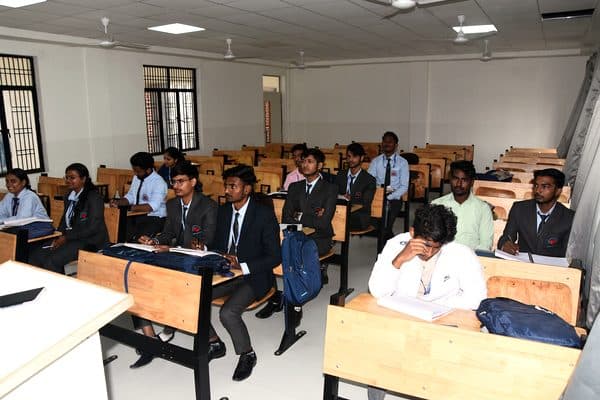
The practical consequence for students is that a BCA undergrad can attend a guest lecture pitched to M.Com PG students, B.Ed trainees practice-teach in the same classrooms where BA second-years learn pedagogy fundamentals, and Home Science students collaborate with B.Sc. cohorts on community outreach projects. Cross-pollination is built into the rhythm.
The Three Pillars philosophy
BITE's academic framework rests on three Sanskrit-rooted pillars — Gyaan (knowledge), Sanskar (values), and Kaushal (skill). These aren't decorative concepts. They map directly to the Bhagavad Gita's Gyaan Yoga, Bhakti Yoga, and Karma Yoga, and they structure how assessments and co-curricular activities are designed. A B.Ed practicum, for example, is graded on subject mastery (Gyaan), ethical conduct and classroom empathy (Sanskar), and concrete teaching skills (Kaushal) — not just a single aggregate score.
Varanasi as a pedagogical environment
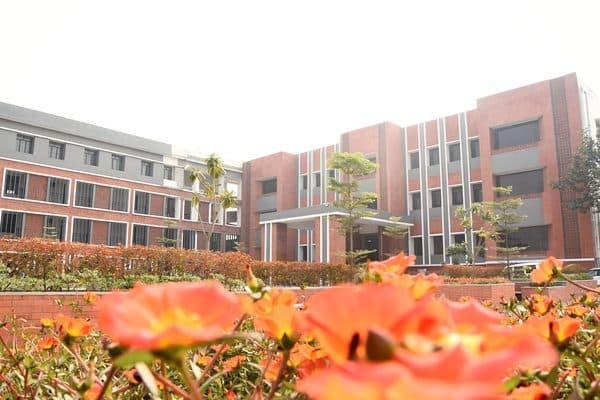
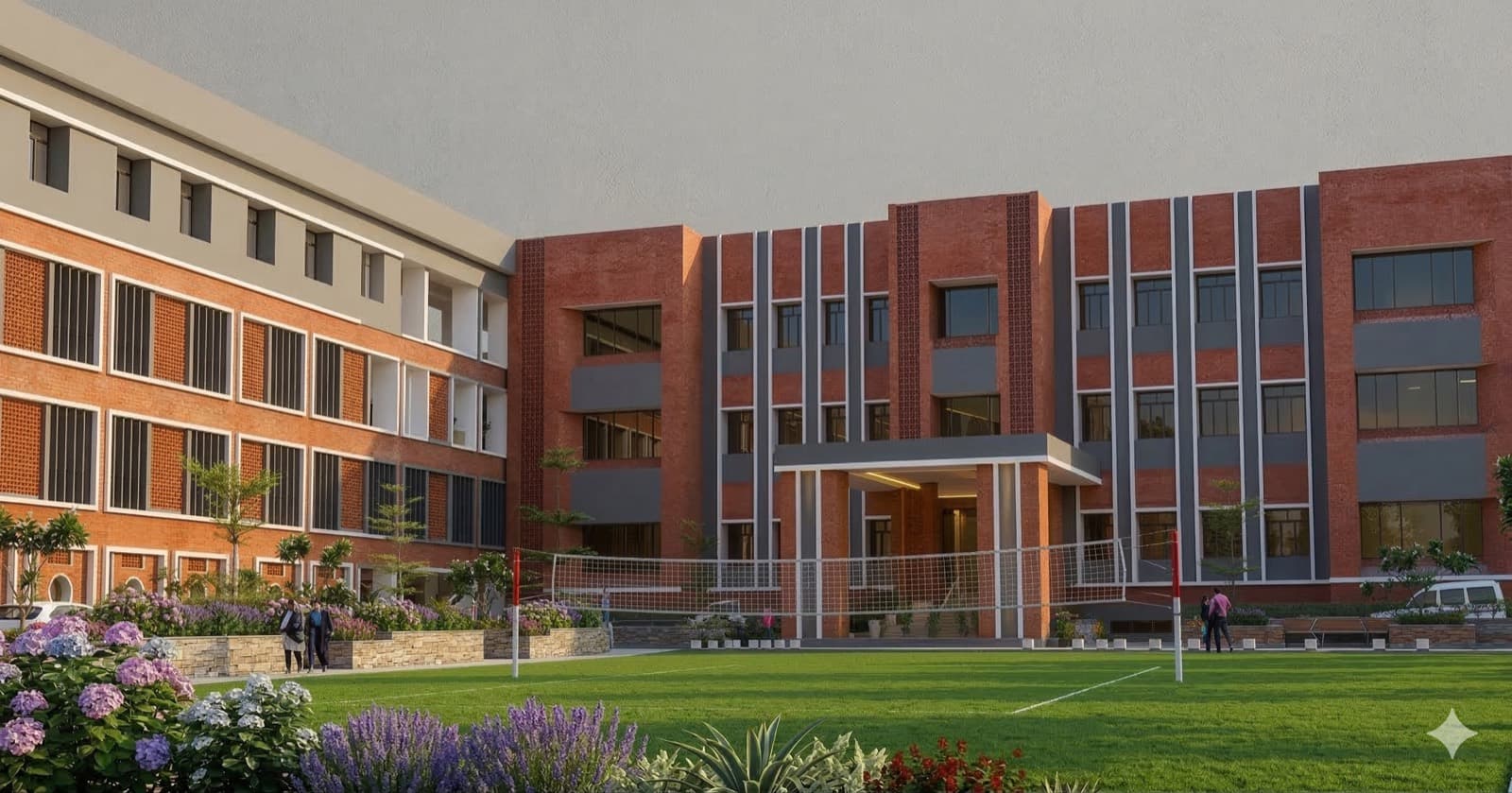
Babatpur, where BITE's campus sits, is a short drive from the ghats of Kashi. Students regularly visit Sarnath for field projects in history and archaeology, participate in Ganga-aarti-adjacent cultural research, and engage with a city that has been a seat of learning for over 3,000 years. That environment is a quiet but significant differentiator. Modern classrooms and digital labs sit inside a 5-acre tree-lined campus that breathes like an old Indian gurukul.
Accreditation, explained
Here is the regulatory posture in plain language:
- NCTE recognises BITE for B.Ed, B.P.Ed, and D.El.Ed (college code 134).
- MGKVP (Mahatma Gandhi Kashi Vidyapith) is the affiliating university; every BITE degree is awarded in MGKVP's name.
- UGC recognises MGKVP under Section 2(f) and 12(B), so BITE graduates are eligible for central government schemes and scholarships.
- AISHE data is submitted annually to the Ministry of Education.
Every letter and certificate is available on the Mandatory Disclosure page.
Who BITE is for
BITE works best for students who want an unhurried, tradition-grounded education without sacrificing modern career outcomes. The applicant pool is a mix of first-generation college-goers from eastern Uttar Pradesh, students specifically seeking teacher training (TET/CTET/UPTET aspirants), and families who value a campus that doesn't chase every passing educational trend.
If that sounds like you, the admissions 2026-27 cycle is open. Seats are allotted on merit — eligibility varies by programme, so review the individual programme pages before applying.